Mount Sinai School of Medicine launches a phase II clinical trial for new gene transfer drug study

As many as 8-10 million Americans have Peripheral Artery Disease (PAD), by age 70, roughly 20 percent of the population has it, and people with PAD face a six-to-seven times higher risk of heart attack or stroke.
PAD, commonly seen in patients with a history of smoking, diabetes, and/or coronary artery disease, is the build up of fatty deposits in the inner linings of the artery walls of the heart and brain. These blockages restrict blood circulation, mainly in arteries leading to the kidneys, stomach, arms, legs and feet. In its early stages a common symptom is uncomfortable cramping or fatigue in the legs brought on by walking and relieved with rest–a condition called intermittent claudication.
The WALK study, led by the Mount Sinai School of Medicine and sponsored by Genzyme Corporation, will determine if a new gene transfer treatment, Ad2/HIF-1a/VP16, helps ease the pain caused by intermittent claudication.
“The leg pain experienced by people with PAD is very different than leg pain caused by joint problems or arthritis,” said Dr. Jeffrey W. Olin, the Principal Investigator for the WALK study and Professor of Medicine at the Mount Sinai School of Medicine and Director of Vascular Medicine and the Vascular Diagnostic Laboratory in the Zena and Michael A. Wiener Cardiovascular Institute of The Mount Sinai Medical Center. “This gene transfer treatment could offer new hope for the millions of people that suffer from the leg pain associated with peripheral arterial disease.”
HIF-1a (Hypoxia-inducible factor-one alpha gene) is produced naturally in the body when there is not enough oxygen reaching the leg tissue. The study drug, Ad2/HIF-1a/VP16, is very similar to the HIF-1a the body naturally produces but has been genetically changed to include important biological characteristics that may grow new blood vessels and improve blood flow in legs.
Mount Sinai and 40 other sites involved in the trial are seeking to enroll approximately 300 men and women in the United States and Europe. The study is open to male or female patients between the ages of 40-80 who suffer from PAD that has progressed to activity-limiting discomfort in at least one leg. The study will assess the safety and effectiveness of three different doses of Ad2/HIF-1a/VP16 compared to placebo in treatment of intermittent claudication.
A Phase I study was conducted using Ad2/HIF-1a/VP16 in patients with Critical Limb Ischemia and preliminary safety and potential bioactivity were demonstrated. Regulatory authorities in both the United States and Europe have reviewed this protocol and authorized Genzyme to proceed with enrollment.
If you are interested in participating, please call (212) 241-8902 or visit www.walkstudy.com.
Cardiovascular Research At Mount Sinai
The Zena and Michael A. Wiener Cardiovascular Institute and the Marie-Josée and Henry R. Kravis Center for Cardiovascular Health at The Mount Sinai Medical Center are preeminent resources for the study and treatment of heart and blood vessel diseases. Committed to finding new and improved methods of diagnosis, treatment and prevention, they comprise a multidisciplinary effort that brings together the extraordinary expertise of Mount Sinai School of Medicine and The Mount Sinai Hospital in cardiovascular medicine, cardiovascular surgery, medical education, research and community service, with state-of-the-art facilities for patient care, advanced laboratories for scientific research and leading programs for postgraduate education of clinician-scientists.
Mount Sinai School of Medicine
Located in Manhattan, Mount Sinai School of Medicine is internationally recognized for ground-breaking clinical and basic-science research, and innovative approaches to medical education. Through the Mount Sinai Graduate School of Biological Sciences, Mount Sinai trains biomedical researchers with an emphasis on the rapid translation of discoveries of basic research into new techniques for fighting disease. One indication of Mount Sinai’s leadership in scientific investigation is its receipt during fiscal year 2004 of $153.2 million. Mount Sinai now ranks 25th among the nation’s medical schools in receipt of research support from NIH. Mount Sinai School of Medicine also is known for unique educational programs such as the Humanities in Medicine program, which creates opportunities for liberal arts students to pursue medical school, and instructional innovations like The Morchand Center, the nation’s largest program teaching students and physicians with “standardized patients” to become not only highly skilled, but compassionate caregivers. Long dedicated to improving its community, the School extends its boundaries to work with East Harlem and surrounding communities to provide access to health care and educational programs to at risk populations.
Media Contact
All latest news from the category: Health and Medicine
This subject area encompasses research and studies in the field of human medicine.
Among the wide-ranging list of topics covered here are anesthesiology, anatomy, surgery, human genetics, hygiene and environmental medicine, internal medicine, neurology, pharmacology, physiology, urology and dental medicine.


Newest articles
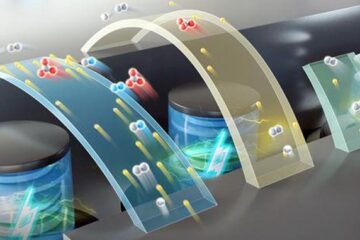
High-energy-density aqueous battery based on halogen multi-electron transfer
Traditional non-aqueous lithium-ion batteries have a high energy density, but their safety is compromised due to the flammable organic electrolytes they utilize. Aqueous batteries use water as the solvent for…
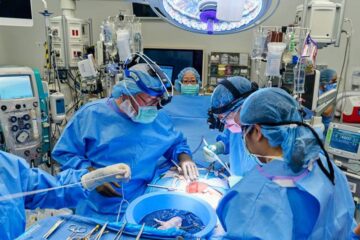
First-ever combined heart pump and pig kidney transplant
…gives new hope to patient with terminal illness. Surgeons at NYU Langone Health performed the first-ever combined mechanical heart pump and gene-edited pig kidney transplant surgery in a 54-year-old woman…

Biophysics: Testing how well biomarkers work
LMU researchers have developed a method to determine how reliably target proteins can be labeled using super-resolution fluorescence microscopy. Modern microscopy techniques make it possible to examine the inner workings…