



Feeding 9 Billion: Innovations in Agricultural Modeling
CARS Explorer is a collaborative research project funded by the European Commission under the Health priority of the 7th Framework Programme. This highly interdisciplinary consortium brings together internationally renowned physicists, biologists and clinicians of six institutional bodies from four European countries and a French SME.
Financed for three years, CARS Explorer seeks to demonstrate the concept of innovative light-based contrasting technologies for functional in situ imaging in life science and biomedical research. The ultimate goal of the consortium is to develop an endoscope based on non-linear optics (NLO) and laser pulse phase shaping.
Today, NLO technologies allow primarily low-depth exploration. However, they present major opportunities at the morphological and molecular level which makes it an original tool for biomedical analysis without requiring preliminary sample preparation, thus providing real time information to the patients.
To bring the concept to the diagnostic level, Cars Explorer partners will explore the molecular and morphological NLO signatures associated with tumour development in skin cancer, one of the fastest growing cancers in Europe with an incidence increase of 5 to 7 % a year. (Source: Ligue contre le Cancer). The consortium will concentrate its efforts on the so designated Coherent Anti-Stokes Raman Scattering (CARS) microscopy technique which permits to produce real time 3D images of cells and tissues at a molecular level, without any labelling or staining.
The development of this novel imaging technology will allow an efficient use of our knowledge of cancer molecular modifications. Indeed, this project will have a major strategic and economic impact by providing a non-invasive functional exploration method for clinical research and treatment, in particular for the prevention, diagnosis and monitoring of cancer. In the end, “an imaging technology capable of providing in vivo information both at the cellular and molecular level would be an outstanding and decisive breakthrough. It is certain that such approaches will play an increasingly central part in oncology and clinical research as well in the treatment of patients affected by cancer” says Didier Marguet.
The CARS Explorer consortium is coordinated by the French National Institute for the Health and Medical research (Inserm) and includes the French National Centre for Scientific Research (CNRS), the de Duve Institute (Belgium), the University of Stuttgart (Germany), the University of Bath (UK), Mauna Kea Technologies SAS (a French SME specialised in minimally-invasive biomedical imaging) and Inserm Transfert SA (France).




Populations in the Southern Caucasus have maintained remarkably consistent genetic ancestry for over 5,000 years, even through periods of significant cultural transformation. Recent research conducted by an international team from Germany, Georgia, Armenia, and Norway indicates that, although there were some genetic inputs from the Eurasian Steppe and Anatolia throughout the Bronze Age, the fundamental local gene pool remained stable across millennia. A Landmark Archaeogenetic Study Researchers at the Max Planck-Harvard Research Centre for the Archaeoscience of the Ancient Mediterranean…
The linguistic abilities of contemporary artificial intelligence systems are remarkable. We can now participate in genuine dialogues with systems such as ChatGPT, Gemini, and others, exhibiting a fluency nearly akin to that of a human. Nevertheless, our understanding of the fundamental mechanisms within these networks that yield such extraordinary outcomes remains limited. A recent study published in the Journal of Statistical Mechanics: Theory and Experiment (JSTAT) elucidates a component of this enigma. It indicates that when less data is utilised…
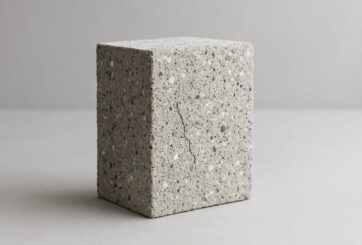
The idea seems futuristic: At ETH Zurich, various disciplines are working together to combine conventional materials with bacteria, algae and fungi. The common goal: to create living materials that acquire useful properties thanks to the metabolism of microorganisms – “such as the ability to bind CO2 from the air by means of photosynthesis,” says Mark Tibbitt, Professor of Macromolecular Engineering at ETH Zurich. An interdisciplinary research team led by Tibbitt has now turned this vision into reality: it has stably…
About 100 cells divide every second in our body. A key protein in cell division is a protein kinase termed Plk1, because it activates other proteins involved in this process. Plk1 is also overexpressed in many types of cancer. This makes it a promising target for cancer therapies. However, drugs that inhibit Plk1 have often proven ineffective. New findings by researchers led by Peter Lenart and Monica Gobran may help to improve therapeutic approaches. They discovered a previously unknown function…
 Feedback
