Economical and cleaner cars with lean-burn catalytic converter

The current strict environmental legislation demands advanced concepts to reduce the emission of harmful gasses by cars. Reducing the emission of nitrous oxides (NOx) emitted by diesel and lean-burn petrol engines is one of the challenges faced. These economical engines produce exhaust fumes that are particularly rich in oxygen and therefore the conventional three-way catalytic converter is not suitable for converting the generated NOx into nitrogen. The current trend is therefore to add specific components such as barium to the catalytic converter to store the NOx formed.
In this new type of NOx Storage Reduction (NSR) catalytic converter the diesel or petrol combustion in the engine takes place alternately over long oxygen-rich and short fuel-rich periods. During a long oxygen-rich period the generated NOx is stored in the barium component. When this component becomes saturated the catalyst is regenerated. This happens during the short fuel-rich period when an oxygen-poor emission gas is produced. The NOx stored is released and subsequently reduced to nitrogen over a precious metal such as platinum. Scholz investigated this NSR mechanism to gain a better understanding of how the storage component functions during the oxygen-rich and fuel-rich periods.
Reaction model
The researcher carried out experiments in a laboratory reactor containing the NSR catalyst. She studied the behaviour of the catalyst in detail, including analysis of the effect of the various forms in which barium occurs in the catalytic converter, the effect of the presence of carbon dioxide and water in the exhaust gas, and the effect of the various reducing agents, such as carbon monoxide, hydrogen, and ethylene on the NOx storage and reduction. The research has yielded important new insights with respect to the function of various components in the catalytic converter. Scholz has also produced a practical mathematical model that describes the various chemical reactions in the catalytic converter.
Knowledge for everyday practice
Using this reaction model, a regulatory system in the car can determine when the maximum NOx capacity of the catalyst has been reached, followed by the length of time extra fuel must be injected to regenerate the catalyst. The research was carried out in cooperation with the car manufacturers PSA Peugeot Citroen, Toyota and Ford, the car development company PD&E Automotive Solutions, catalytic converter manufacturer Engelhard De Meern (now BASF), and with TNO Automotive, Shell, E.P. Controls and IPCOS.
Media Contact
All latest news from the category: Automotive Engineering
Automotive Engineering highlights issues related to automobile manufacturing – including vehicle parts and accessories – and the environmental impact and safety of automotive products, production facilities and manufacturing processes.
innovations-report offers stimulating reports and articles on a variety of topics ranging from automobile fuel cells, hybrid technologies, energy saving vehicles and carbon particle filters to engine and brake technologies, driving safety and assistance systems.


Newest articles

A universal framework for spatial biology
SpatialData is a freely accessible tool to unify and integrate data from different omics technologies accounting for spatial information, which can provide holistic insights into health and disease. Biological processes…
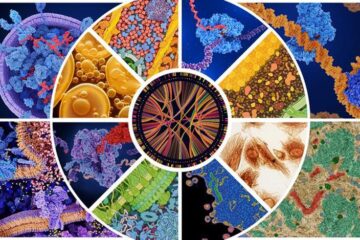
How complex biological processes arise
A $20 million grant from the U.S. National Science Foundation (NSF) will support the establishment and operation of the National Synthesis Center for Emergence in the Molecular and Cellular Sciences (NCEMS) at…
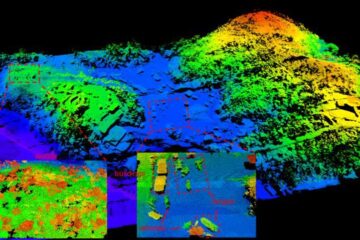
Airborne single-photon lidar system achieves high-resolution 3D imaging
Compact, low-power system opens doors for photon-efficient drone and satellite-based environmental monitoring and mapping. Researchers have developed a compact and lightweight single-photon airborne lidar system that can acquire high-resolution 3D…