
New study reveals how human astroviruses bind to humans cells and paves the way for new therapies and vaccines Human astroviruses are a leading viral cause of the stomach bug—think vomiting, diarrhea, and fever. It often impacts young children and older adults, leading to vicious cycles of sickness and malnutrition, particularly for those in low and middle income countries. It’s very commonly found in wastewater studies, meaning it’s frequently circulating in communities. As of now, there are no vaccines for…

Brightly colored Australian peacock spiders (Maratus spp.) captivate even the most arachnophobic viewers with their flamboyant courtship displays featuring…
The interactions of biological macromolecules such as nucleic acids, proteins, and polysaccharide–protein conjugates can be mimicked by artificial…
Exactly 200 years ago, the Swedish scientist Jöns Jacob Berzelius discovered the trace element selenium, which he named after the goddess of the moon, Selene….
Choline is an essential nutrient that humans get from certain foods, including eggs, meat, leafy greens and nuts. The human body converts choline into…
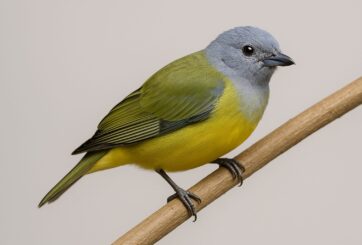
A team of U of T Scarborough researchers have described the first known hybrid bird species to be found in the Amazon rainforest.
The new, more detailed image of A2aAR's signaling mechanism reveals key parts of its inner workings, including an amino acid that acts like a “toggle switch”…
Among the greatest challenges when treating life-threatening tuberculosis infections is the increasing resistance to antibiotics. But the pathogen itself also…
New research published in the Journal of Experimental Medicine highlights the pernicious effect of obesity on the long-term health of blood-making stem cells…
The frequent and sometimes careless use of antibiotics leads to an increasingly rapid spread of resistance. Hospitals are a particular hot spot for this….
As a central part of our immune system, antibodies protect us humans and other vertebrates against pathogens. They are, however, also essential tools in…
In agriculture unspectacular thal cress (Arabidopsis thaliana) is simply considered as a weed. In science, however, the plant has for decades been the modell…
Having plant pan-genomes for crops that are important for fuel and food applications would enable breeders to harness natural diversity to improve traits such…
“The 80-milligray dose is equivalent to the radiation exposure during a medical diagnostic imaging procedure such as a CT scan, which is routinely used in…
Detecting important biomarkers in lower concentrations will allow patients to be treated earlier for diseases such as some cancers and neurological disorders,…
Alzheimer’s disease is a devastating neurodegenerative condition ultimately leading to dementia. An effective treatment does not yet exist. The disease is…
Rabies is a viral disease that kills tens of thousands of people every year, predominantly in Africa and Asia. The disease is transmitted through the bites of…
 Feedback


