
New study reveals how human astroviruses bind to humans cells and paves the way for new therapies and vaccines Human astroviruses are a leading viral cause of the stomach bug—think vomiting, diarrhea, and fever. It often impacts young children and older adults, leading to vicious cycles of sickness and malnutrition, particularly for those in low and middle income countries. It’s very commonly found in wastewater studies, meaning it’s frequently circulating in communities. As of now, there are no vaccines for…

To further develop semiconductor technology, the field of molecular electronics is seeking to manufacture circuit components from individual molecules instead…
The design of a drug with a desired duration of action, whether long or short, is usually a complicated and expensive trial-and-error process guided only by a…
Researchers from Michigan State University and the RIKEN Nishina Center in Japan discovered eight new rare isotopes of the elements phosphorus, sulfur,…
Research by a team led by Dr Elizabeth Fullam, has revealed new findings about an enzyme found in Mycobacterium tuberculosis (Mtb) the bacterium that causes TB.
Cancer cells are cells over which the human body has lost control. The fact that they are transformed body cells makes it all the more difficult to combat them…
Personalized medicine – delivering therapies specially tailored to a patient's unique physiology – has been a goal of researchers and doctors for a long time….
The fingerprint is unique in every individual: As no two fingerprints are the same, they have become the go-to method of identity verification for police,…
The nuclei of cells are never static, even when the chromosomes they contain appear to be at rest. Theorists at Rice University have detailed the combination…
Cells in a tissue or tumor establish contacts with other cells and assume a scale-like appearance. Cancer cells that form metastases, however, must first alter…
On Tuesday, 10 July 2018 the research icebreaker Polarstern will leave its homeport in Bremerhaven, headed for the Arctic. The main focus of the journey will…
With antibiotic resistance spreading worldwide, there is a strong need for new technologies to study bacteria. EMBL researchers have adapted an existing…
The arms and legs tremble incessantly, the muscles become weaker and the movements slower − these are typical symptoms that many Parkinson's patients suffer…
Up till now, reprogramming has only been possible by introducing the critical genes for the conversion, called Yamanaka factors, artificially into skin cells…
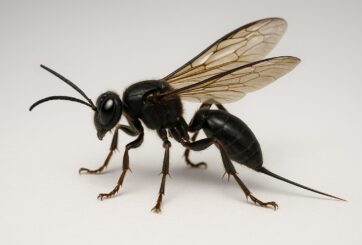
Researchers from the Biodiversity Unit of the University of Turku, Finland, have in the recent years found and described several new animal species from all…
Researchers at Caltech have developed an artificial neural network made out of DNA that can solve a classic machine learning problem: correctly identifying…
Flagellates need them to move, roundworms to find food, and sperm to move towards the egg: cilia. These excrescences of eukaryotic cells even ensure that the…
 Feedback


