
New study reveals how human astroviruses bind to humans cells and paves the way for new therapies and vaccines Human astroviruses are a leading viral cause of the stomach bug—think vomiting, diarrhea, and fever. It often impacts young children and older adults, leading to vicious cycles of sickness and malnutrition, particularly for those in low and middle income countries. It’s very commonly found in wastewater studies, meaning it’s frequently circulating in communities. As of now, there are no vaccines for…
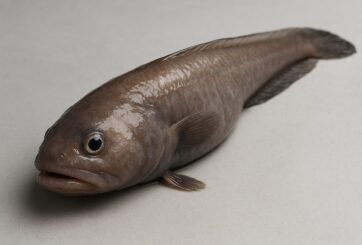
A new small blue snailfish is changing our understanding of the world’s deepest fishes. In 2018, an international team of scientists studied the Atacama Trench, an expansive trench that runs along the west coast of South America as a deep underwater valley that mirrors the Andes Mountains. The team, including Newcastle University scientists, deployed free-falling landers to sample the sparse deep-sea creatures around cameras and traps with bait. Two lander systems from Newcastle University recorded three types of hadal snailfish…

Frontera, Stampede2 supercomputing simulations help reveal traffic mechanisms through the nuclear pore complex. Students learn about the nucleus in ninth grade biology — it’s the inner sanctum of biological cells, where the genome resides with the blueprints for cells to make proteins that are the building-blocks of life. Apertures called nuclear pore complexes (NPC) perforate the otherwise iron-clad membrane and act like crossing guards for macromolecular traffic in and out of the nucleus. If the crossing-guard misfires, it can cause human diseases such as…
They can live for more than 100 years and weigh up to 250 kilograms – Aldabra giant tortoises. Researchers at the University of Zurich have now decoded the genome of Aldabrachelys gigantea, one of only two remaining giant tortoise species worldwide. The findings will help to ensure the long-term survival of the threatened species. Aldabra giant tortoises are vulnerable to extinction according to the Red List of the International Union for Conservation of Nature, meaning that the species faces a…
Nahtlos, an Empa spin-off, has received 1 million Swiss francs in a first round of financing from a network of business angels from Switzerland and Liechtenstein and from the Startfeld Foundation. With this funding, Nahtlos aims to drive the market entry of its newly developed textile-based electrode for medical applications. Over the past two years, Nahtlos, an Empa spin-off, has developed novel textile-based electrodes for recording heart activity (electrocardiogram, ECG) – for example, to detect atrial fibrillation – and for…
Cooperation between radiotherapy and cardiology: MHH experts achieve success with innovative treatment method. Radiotherapy – most people think of it as the treatment of cancer. At the Hannover Medical School (MHH), radiation is now being used to help patients with cardiac arrhythmias. High-precision radiation from linear accelerators is used to treat the exact spot in the heart muscle that is responsible for the arrhythmia. The procedure is relatively new and is only carried out in a few clinics in Germany….
Scientists drive oil accumulation in rapidly growing aquatic plants. Scientists at the U.S. Department of Energy’s Brookhaven National Laboratory and collaborators at Cold Spring Harbor Laboratory (CSHL) have engineered duckweed to produce high yields of oil. The team added genes to one of nature’s fastest growing aquatic plants to “push” the synthesis of fatty acids, “pull” those fatty acids into oils, and “protect” the oil from degradation. As the scientists explain in a paper published in Plant Biotechnology Journal, such oil-rich…
For a long time, antibiotics were considered a silver bullet against bacterial infections. Over time, many pathogens have adapted to resist antibiotics, so the search for new drugs is becoming increasingly important. An international team of researchers including scientists at the University of Basel, has now discovered a new antibiotic by computational analysis and deciphered its mode of action. Their study is an important step in the development of new effective drugs. The WHO calls the creeping and rapidly growing…
Bitter protein fragments stimulate gastric acid secretion. Casein makes up the majority of the proteins in cheese and quark. Although casein itself does not taste bitter, its digestion in the stomach also produces bitter-tasting protein fragments (peptides). This has been proven for the first time in a study led by the Leibniz Institute for Food Systems Biology at the Technical University of Munich (LSB). The study also suggests that the bitter peptides are able to stimulate acid secretion from gastric…
A protein that helps make neurons also works to reprogram scar tissue cells into heart muscle cells, especially in partnership with a second protein, according to a study led by Li Qian, PhD, at the UNC School of Medicine. Scientists at the UNC School of Medicine have made a significant advance in the promising field of cellular reprogramming and organ regeneration, and the discovery could play a major role in future medicines to heal damaged hearts. In a study published…
This is an unprecedented animal model that can be used to investigate Ewing sarcoma and to screen for compounds that may serve as lead molecules for the development of therapeutic drugs. This novel model has come about from a close collaboration between the laboratories headed by Dr. Cayetano Gonzalez at the Institute for Research in Biomedicine (IRB Barcelona) and Dr. Jaume Mora at the SJD Pediatric Cancer Center Barcelona (PCCB), in Sant Joan de Déu Barcelona Children’s Hospital – IRSJD….
A new UV-visible protein allows researchers to see gene expression in plants without special equipment. The Science Biologists often use green fluorescent protein (GFP) to see what happens inside cells. GFP, which scientists first isolated in jellyfish, is a protein that changes light from one color into another. Attaching it to other proteins allows researchers to find out if cells produce those proteins and where within cells to find them. This in turn shows how cells deliver and use genes….
Full-transcriptome sequencing of hard-to-access cells in intact tissues facilitates deeper understanding of disease and biology. Under the microscope, researchers often observe different cell types organizing themselves in peculiar patterns within tissues, or sometimes a rare cell type that stands out by occupying a unique position, exhibiting an unusual shape, or expressing a specific biomarker molecule. To determine the deeper meaning of their observations, they have developed approaches to also access cells’ gene expression patterns (transcriptomes) by analyzing the gene-derived RNA…
A research network led by the DZNE is investigating whether blood tests can be used to diagnose and predict Alzheimer’s disease. Therefore about 3.000 blood samples will be analyzed. A new examination method could significantly simplify the diagnosis of Alzheimer’s disease. For some time now, there have been data suggesting that the determination of protein changes in the blood could possibly make the examination of the cerebrospinal fluid superfluous. A research consortium led by the DZNE now wants to analyze…
A research team at the Max Planck Institute for Chemical Ecology in Jena, Germany, shows in a new study how leaf beetles could successfully use new and previously indigestible food sources in the course of evolution. The insects acquired enzymes from microorganisms via horizontal gene transfer that enabled them to degrade pectins, solid components of the plant cell wall. Since the degradation products resulting from pectin digestion are not per se crucial for the growth and development of the beetles,…
Proteins in the gut of the nematode C. elegans are not degraded when its temperature sensors are disturbed / At the same time, the worm’s lifespan is extended. Scientists from the group of Professor Dr. Thorsten Hoppe at the Cologne Cluster of Excellence for Aging Research CECAD have found that in the nematode C. elegans, the perception of changes in ambient temperature via a defined network of sensory neurons is important for the maintenance of protein degradation in the gut….
How tardigrades survive freezing temperatures. Tardigrades are excellent at adapting to harsh environmental conditions. Back in 2019, Ralph Schill, a professor at the Institute of Biomaterials and Biomolecular Systems at the University of Stuttgart, proved that anhydrobiotic (dried) tardigrades can survive undamaged for many years without absorbing water. Whether they age faster or slower in a frozen state, or whether aging even comes to a halt, was previously unclear. But the mystery has now been solved: Frozen tardigrades do not…
 Feedback


