
New study reveals how human astroviruses bind to humans cells and paves the way for new therapies and vaccines Human astroviruses are a leading viral cause of the stomach bug—think vomiting, diarrhea, and fever. It often impacts young children and older adults, leading to vicious cycles of sickness and malnutrition, particularly for those in low and middle income countries. It’s very commonly found in wastewater studies, meaning it’s frequently circulating in communities. As of now, there are no vaccines for…

With recent improvements in instrumentation and confinement techniques, the detection of molecules using electrochemical techniques has become easier than ever before; however, there are still many conditions which restrict the electrochemical detection of single molecules and ultra-fast processes at the molecular level. All of this is due to the presence of a limit of detection, which is set by the minimum number of electrons that can be observed passing through an electrochemical system during a measurement. This is a serious…
Viruses are a threat to all organisms, including plants. A small group of plant stem cells, however, successfully defends itself from infection. Marco Incarbone, now at MPIMP Golm, Gabriele Bradamante and their co-authors at the Gregor Mendel Institute of Molecular Plant Biology (GMI) uncovered that salicylic acid and RNA interference mediate this antiviral immunity of plant stem cells. The findings were published in PNAS on October 12. Plant viruses threaten the health of their hosts, can spread swiftly and globally,…
How are synapses formed, those points of contact that allow the transmission of information from one neuron to the other? Working with an international team, researchers from the Leibniz-Forschungsinstitut für Molekulare Pharmakologie (FMP) have now uncovered a crucial mechanism and elucidated the identity of the axonal transport vesicles that generates synapses. The findings provide an important basis for promoting the regeneration of nerve cells and counteracting the aging process in the future. The results have just been published in the…
Polyoxometalates (POMs) containing charged lithium ions combined with ionic liquids, increase the ion conductivity of a solid-state electrolyte membrane. Solid-state lithium-ion batteries depend on the movement of ions (charged atoms) in the solid, rather than liquid, state to either charge or discharge the battery. These solid-state electrolytes are safer, more cost efficient and capable of higher energy densities than batteries that rely on liquid electrolyte solutions, but suffer from low ionic conductivity, or movement of ions, and poor thermal stability….
…for measuring levels of critical omega-3 fatty acids. Researchers at McMaster and the University of Guelph have discovered a convenient new way to track levels of omega-3 fatty acids in the bloodstream, making it much easier to access information that is critical to cardiovascular and cognitive health, but which has previously been challenging to gather. While the human body can generate most of the fats it needs, it cannot produce adequate levels of omega-3 fatty acids and must obtain them…
A UNIGE team has developed an electrical device that makes it easy to activate chemical reactions in a «greener» way. New pharmaceuticals, cleaner fuels, biodegradable plastics: in order to meet society’s needs, chemists have to develop new synthesis methods to obtain new products that do not exist in their natural state. A research group at the University of Geneva (UNIGE), in collaboration with Cardiff University, has discovered how to use an external electric field to control and accelerate a chemical…
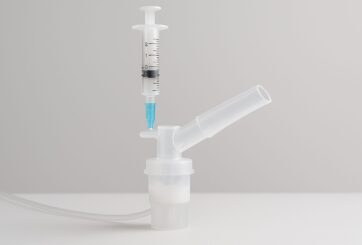
The congenital multisystem disease PCD is associated with a severe respiratory and lung disease in which the cilia in the bronchial tubes are no longer able to clean the lungs, thus favouring chronic infections. An international study with the participation of the MHH now shows how the lung function of those affected could be improved. In our lungs, the body’s own cleansing system works tirelessly to remove mucus and with it cellular waste and pathogens. Fine cilia in the inner…
– faster results and fewer laboratory animals thanks to new method. To study muscle diseases, scientists rely on the mouse as a model organism. Researchers at the University of Basel have now developed a new method that is not only faster and more efficient than conventional ones but also greatly reduces the number of experimental animals needed for studying the function of genes in muscle fibers. Researchers use the mouse as a model organism to study the structure and function…
Brain tumor type identified as soon as during surgery. What type of brain tumor does this patient have? AI technology helps to determine this as early as during surgery, within 1.5 hours. This process normally takes a week. The new technology allows neurosurgeons to adjust their surgical strategies on the spot. Today, researchers from UMC Utrecht and researchers, pathologists and neurosurgeons from the Princess Máxima Center for pediatric oncology and Amsterdam UMC have published about this study in Nature. Every…
Because metal-organic frameworks (MOFs) — highly porous metal complexes — are so structurally and chemically diverse, they could be used for many applications, such as drug delivery and environmental clean-up. But researchers still need to get a better understanding of how they function, especially when embedded in polymers. Reporting in ACS Applied Materials & Interfaces, researchers have now developed and characterized nitric oxide (NO)-storing MOFs embedded in a thin film with novel antibacterial potential. Studying the interactions between MOFs and…
APPLAUSE European collaborative project successfully completed. Researchers from Fraunhofer IZM, together with 31 partners from industry and research, have developed a stretchable and wireless patch that can be used to make it possible to conduct diagnostically relevant cardiac monitoring in everyday life. This will reduce the number of inpatient examinations required for high-risk patients. It also boosts the semiconductor value chain for the medical sector in Europe through the development of new tools, methods and processes for series production. Tracking…
– the same substance is produced differently by plants. Individual species of very different plant families produce special indole-derived defense compounds called benzoxazinoids. However, the biosynthetic pathway of these compounds was so far only known for grasses such as maize. A team from the Max Planck Institute for Chemical Ecology has now been able to show, by studying two distantly related plant species, the golden dead-nettle and zebra plant, that completely different enzymes are responsible for the formation of these…
Zinc is an important element that is found widely in biological systems, is cheap to manufacture relative to other metals, and has low toxicity. However, unlike other similar metals that exhibit a variety of vibrant colors in metal complexes, seeing different colors for zinc materials was not thought possible. In a study published recently in Angewandte Chemie International Edition, researchers from the Institute of Industrial Science, The University of Tokyo, have synthesized a complex with two zinc ions that does…
The intricate control of cellular metabolism relies on the coordinated and harmonious interplay between the nucleus and mitochondria. On the one hand, mitochondria are the hub for the production of essential metabolites, which aside from being required to meet the energy demands of the cell, also serve as the building blocks for constructing both genetic and epigenetic landscapes in the nucleus. On the other hand, the majority of mitochondrial metabolic enzymes are encoded by the nuclear genome, making the function…
Biology: Publication in PNAS. Fungal infections pose a threat to humans, animals and plants, with in part serious consequences. Together with colleagues from Frankfurt/Main and Aachen, a research team from Heinrich Heine University Düsseldorf (HHU) has now clarified an important mechanism in how such infections are regulated at molecular level. In the scientific journal Proceedings of the National Academy of Sciences (PNAS), they describe how this discovery may lead to the development of new antifungal agents. As pathogenic agents, fungi…
A new model demonstrates that chasing interactions can induce dynamical patterns in the organization of bacterial species. Structural patterns can be created due to the chasing interactions between two bacterial species. In a new model, scientists from the Max Planck Institute for Dynamics and Self-Organization (MPI-DS) describe how interactions on the individual level can result in a global self-organization of species. Their findings provide insights into general mechanisms of collective behavior. In a recent study, scientists from the department Living…
 Feedback


