
Große Baustellen in Innenstädten haben häufig Auswirkungen auf das direkte Umfeld, auf Anwohner, Geschäfte und den Verkehr. Mit diesem Thema hat sich Prof. Dr….
In 1950, fewer than one-third of the world's people lived in cities. Today more than half do. By 2050, urban areas will be home to some two-thirds of Earth's…
The calculation is simple: the better a building is insulated, the less heat is lost in winter – and the less energy is needed to achieve a comfortable room…
Climate protection and the reduction of carbon dioxide emissions have been on top of global development agendas. Accordingly, research and development projects…
Solar modules and a variety of energy management systems are well established in small and large buildings to optimize their energy balance both by generating…
Houses can be made of wood, as they were in the past – or of concrete, as they are today. To build for tomorrow, the two building methods are being combined:…
The thermal storage tank is not fully assembled until it reaches the boiler room
Wouldn´t it be convenient to control heating or cooling, lighting, and media anywhere in your home by just using your voice, without any device in your hand?…
As part of the “ArKol – development of architecturally highly integrated façade collectors with heat pipes” project, Fraunhofer ISE together with its partners…
Concrete shells are efficient structures, but not very resource efficient. The formwork for the construction of concrete domes alone requires a high amount of…
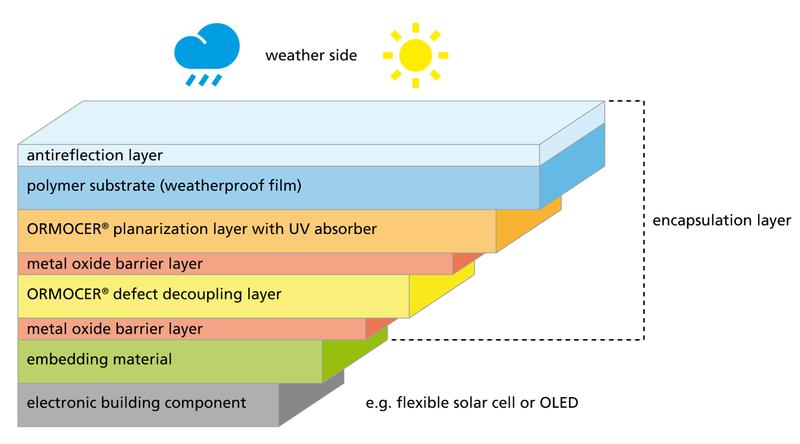
The trend in architecture and facility management is towards “smart” buildings which, by means of integrated flexible electronics, automatically react on…
Mold infestation is not a rare phenomenon. In Germany alone, some 10 percent of all structural damage to buildings is related to mold. If the building is not…
Prof. Dr. Dirk Volkmer and fellow scientists from the Chair of Solid State and Materials Chemistry at the University of Augsburg have published a report in the…
In these concepts, the environmental heat sources, heating and cooling technology in the building and the comfort requirements of the users are matched as…
Improving thermal comfort in non-air-conditioned buildings
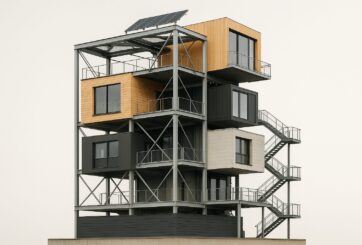
A residential building, office block and experimental laboratory all rolled into one: NEST is a “living lab” in the truest sense of the word. Those who live in…
 Feedback


