New company learns from spider`s ability to spin

A new spin-out from Oxford University, Spinox, is aiming to devise novel ways to copy spiders` ability to spin silks. The new silks may be used for sutures or woven material for surgical implants, protective clothing and in sports equipment.
Spinox has been set up to fully develop a spinning process to create high performance fibres from natural or artificial proteins based on the principles used by spiders and insects to create natural silk fibres. This approach – biomimetic (mimicking biology) spinning – is based on patents and expertise from leading spider and silk experts Professor Fritz Vollrath and Dr David Knight at Oxford`s Department of Zoology, who together published an authoritative overview of natural silk spinning in the leading science journal Nature last year.
High performance silk fibres are amazingly tough and may eventually out-compete oil-based polymer fibres, and illustrate how future materials can be based on sustainable, non-polluting processes inspired by nature. Natural spinning processes are highly energy efficient and do not require high temperatures, strongly acidic solutions or toxic organic solvents. They show excellent properties over a wide range of temperatures and can be made magnetic or conducting. A wide range of feedstocks might be used for biomimetic spinning including artificially synthesised or genetically engineered protein analogues and natural `silk-like` proteins obtained from wheat or rice grains. The company will seek to exploit its understanding of the underlying processing of molecular self-assembly to address other materials markets.
Dr Knight said: “Spinox is an excellent example of how we can use nature`s ingenuity to help us develop new processes and materials with quite exceptional properties in an eco-friendly way.”
Tom Hockaday, a director of Isis Innovation Ltd, which supported the formation of Spinox, said: “This is fascinating technology with enormous commercial potential. We are pleased to have been involved in launching the business.”
Media Contact
All latest news from the category: Materials Sciences
Materials management deals with the research, development, manufacturing and processing of raw and industrial materials. Key aspects here are biological and medical issues, which play an increasingly important role in this field.
innovations-report offers in-depth articles related to the development and application of materials and the structure and properties of new materials.


Newest articles
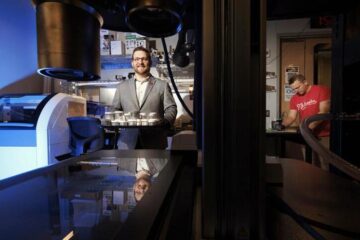
Bringing bio-inspired robots to life
Nebraska researcher Eric Markvicka gets NSF CAREER Award to pursue manufacture of novel materials for soft robotics and stretchable electronics. Engineers are increasingly eager to develop robots that mimic the…

Bella moths use poison to attract mates
Scientists are closer to finding out how. Pyrrolizidine alkaloids are as bitter and toxic as they are hard to pronounce. They’re produced by several different types of plants and are…
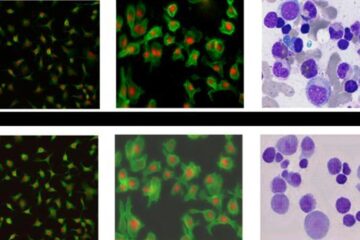
AI tool creates ‘synthetic’ images of cells
…for enhanced microscopy analysis. Observing individual cells through microscopes can reveal a range of important cell biological phenomena that frequently play a role in human diseases, but the process of…