



Feeding 9 Billion: Innovations in Agricultural Modeling
The discovery, which involved years of perfecting a technique for building a specific type of light-emitting device, is reported in the Sept. 30 online publication of the journal Nature Materials.
The interdisciplinary team had long studied the molecular semiconductor ruthenium tris-bipyridine. For many reasons, including its ability to allow electrons and holes (spaces where electrons were before they moved) to pass through it easily, the material has the potential to be used for flexible light-emitting devices. Sensing, microscopy and flat-panel displays are among its possible applications.
The researchers set out to understand the fundamental physics of the material — that is, what happens when it encounters an electric field, both at the interfaces and inside the film. By fabricating a device out of the ruthenium metal complex that was spin-coated onto an insulating substrate with pre-patterned gold electrodes, the scientists were able to use electron force microscopy to measure directly the electric field of the device.
A long-standing question, according to George G. Malliaras, associate professor of materials science and engineering, director of the Cornell NanoScale Science and Technology Facility and one of the co-principal investigators, was whether an electric field, when applied to the material, is concentrated at the interfaces or in the bulk of the film.
The researchers discovered that it was at the interfaces — two gold metal electrodes sandwiching the ruthenium complex film — which was a huge step forward in knowing how to build and engineer future devices.
“So when you apply the electric field, ions in the material move about, and that creates the electric fields at the interfaces,” Malliaras explained.
Essential to the effort was the ability to pattern the ruthenium complex using photolithography, a technique not normally used with such materials and one that took the researchers more than three years to perfect, using the knowledge of experts in nanofabrication, materials and chemistry.
The patterning worked by laying down a gold electrode and a polymer called parylene. By depositing the ruthenium complex on top of the parylene layer and filling in an etched gap between the gold electrodes, the researchers were then able to peel the parylene material off mechanically, leaving a perfect device.
Ruthenium tris-bipyridine has energy levels well suited for efficient light emission of about 600 nanometers, said Héctor D. Abruña, the E.M. Chamot Professor of Chemistry, and a principal co-investigator. The material, which has interested scientists for many years, is ideal for its stability in multiple states of oxidation, which, in turn, allows it to serve as a good electron and hole transporter. This means that a single-layer device can be made, simplifying the manufacturing process.
“It's not fabulous, but it has a reasonable emission efficiency,” Abruña said. “One of the drawbacks is it has certain instabilities, but we have managed to mitigate most of them.”
Among the other authors were co-principal investigators Harold G. Craighead, the C.W. Lake Jr. Professor of Engineering, and John A. Marohn, associate professor of chemistry and chemical biology.




Populations in the Southern Caucasus have maintained remarkably consistent genetic ancestry for over 5,000 years, even through periods of significant cultural transformation. Recent research conducted by an international team from Germany, Georgia, Armenia, and Norway indicates that, although there were some genetic inputs from the Eurasian Steppe and Anatolia throughout the Bronze Age, the fundamental local gene pool remained stable across millennia. A Landmark Archaeogenetic Study Researchers at the Max Planck-Harvard Research Centre for the Archaeoscience of the Ancient Mediterranean…
The linguistic abilities of contemporary artificial intelligence systems are remarkable. We can now participate in genuine dialogues with systems such as ChatGPT, Gemini, and others, exhibiting a fluency nearly akin to that of a human. Nevertheless, our understanding of the fundamental mechanisms within these networks that yield such extraordinary outcomes remains limited. A recent study published in the Journal of Statistical Mechanics: Theory and Experiment (JSTAT) elucidates a component of this enigma. It indicates that when less data is utilised…
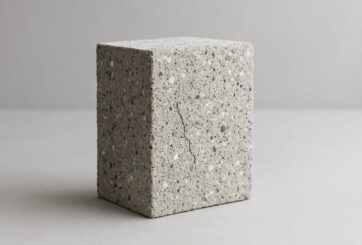
The idea seems futuristic: At ETH Zurich, various disciplines are working together to combine conventional materials with bacteria, algae and fungi. The common goal: to create living materials that acquire useful properties thanks to the metabolism of microorganisms – “such as the ability to bind CO2 from the air by means of photosynthesis,” says Mark Tibbitt, Professor of Macromolecular Engineering at ETH Zurich. An interdisciplinary research team led by Tibbitt has now turned this vision into reality: it has stably…
About 100 cells divide every second in our body. A key protein in cell division is a protein kinase termed Plk1, because it activates other proteins involved in this process. Plk1 is also overexpressed in many types of cancer. This makes it a promising target for cancer therapies. However, drugs that inhibit Plk1 have often proven ineffective. New findings by researchers led by Peter Lenart and Monica Gobran may help to improve therapeutic approaches. They discovered a previously unknown function…
 Feedback
