



Feeding 9 Billion: Innovations in Agricultural Modeling
Ethiopian fossil suggests early humans were one big family.
A one-million-year-old skull unearthed in Ethiopia hints that our long-extinct cousins Homo erectus were a varied and widespread bunch, much like today’s humans. The find may undermine previous claims that H. erectus was in fact made up of two different species.
Homo erectus, which means ’upright man’, appeared about 1.8 million years ago. Because of its posture and large brain, it is regarded as the first fully human group. H. erectus left Africa and spread throughout Eurasia from eastern China, possibly reaching as far as southern England.
Bony-browed and thick-jawed, H. erectus wielded primitive stone tools and may have been the first creature to make and use fire.
Since the 1980s, however, some scientists have suggested that 1.7-million-year-old H. erectus fossils from Africa and central Asia are so different to later 700,000-year-old examples that they belong to a different species, Homo ergaster.
The latest find could turn that theory on its head.
Face value
The fossil is in remarkably good shape considering it is a million years old, says Berhane Asfaw of the University of Addis Ababa in Ethiopia, one of the team that found the skull near the village of Bouri, 230 km northeast of Addis Ababa, in 1997. “It’s a complete skull cap with all the important features present,” Asfaw says.
The shape of the skull aligns it firmly with the recent H. erectus, but it shares some characteristics with older ones, says Asfaw. Its age also puts it right between where H. erectus and H. ergaster might have split. “Our fossil clearly links Asian and African forms of H. erectus,” says Asfaw1.
Unless something else turns up, the find strongly suggests that H. ergaster is a misnomer, Asfaw believes.
Alan Walker, who studies human evolution at Pennsylvania State University in University Park, agrees. “It is arbitrary to break up the lineage into and early ergaster and later erectus,” he says.
But Bernard Wood of George Washington University in Washington, DC, who first proposed the H. ergaster as a distinct group, is holding on to his idea. “It’s a terrific find,” he says and certainly relevant to H. erectus’ history. But he suspects the new find bears too little resemblance to H. ergaster to rule them out as a separate group.
Even if the skull does unify H. erectus as a group, it doesn’t simplify the picture of their history.
Finding a fossil in Ethiopia that looks like east Asian H. erectus suggests that anatomical features, such as skull shape, might have varied independently of location. Previously, the geographical separation of different forms of H. erectus fossils was thought to explain why they look the way they do.
References




Populations in the Southern Caucasus have maintained remarkably consistent genetic ancestry for over 5,000 years, even through periods of significant cultural transformation. Recent research conducted by an international team from Germany, Georgia, Armenia, and Norway indicates that, although there were some genetic inputs from the Eurasian Steppe and Anatolia throughout the Bronze Age, the fundamental local gene pool remained stable across millennia. A Landmark Archaeogenetic Study Researchers at the Max Planck-Harvard Research Centre for the Archaeoscience of the Ancient Mediterranean…
The linguistic abilities of contemporary artificial intelligence systems are remarkable. We can now participate in genuine dialogues with systems such as ChatGPT, Gemini, and others, exhibiting a fluency nearly akin to that of a human. Nevertheless, our understanding of the fundamental mechanisms within these networks that yield such extraordinary outcomes remains limited. A recent study published in the Journal of Statistical Mechanics: Theory and Experiment (JSTAT) elucidates a component of this enigma. It indicates that when less data is utilised…
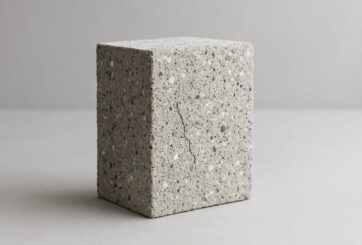
The idea seems futuristic: At ETH Zurich, various disciplines are working together to combine conventional materials with bacteria, algae and fungi. The common goal: to create living materials that acquire useful properties thanks to the metabolism of microorganisms – “such as the ability to bind CO2 from the air by means of photosynthesis,” says Mark Tibbitt, Professor of Macromolecular Engineering at ETH Zurich. An interdisciplinary research team led by Tibbitt has now turned this vision into reality: it has stably…
About 100 cells divide every second in our body. A key protein in cell division is a protein kinase termed Plk1, because it activates other proteins involved in this process. Plk1 is also overexpressed in many types of cancer. This makes it a promising target for cancer therapies. However, drugs that inhibit Plk1 have often proven ineffective. New findings by researchers led by Peter Lenart and Monica Gobran may help to improve therapeutic approaches. They discovered a previously unknown function…
 Feedback
