



Feeding 9 Billion: Innovations in Agricultural Modeling
But the result could be the improvement of the design and production of everyday products worth hundreds of millions of dollars.
They have developed a technique to measure the tiny forces between droplets in liquids. For the first time, the researchers can measure the attraction between oil droplets in water—and this has application for products ranging from milk and ice-cream to shampoos, drugs, and even mineral processing.
All these instances involve emulsions, the dispersion of droplets of oil through water.
“This was a truly multi-disciplinary effort,” says team member Dr Raymond Dagastine from the Particulate Fluids Processing Centre in the Department of Chemical and Biomolecular Engineering at the University of Melbourne.
“We had chemists, chemical engineers and mathematicians all working together because, not only did we have to figure out how to hold and push two tiny droplets together, and how to measure their interaction, but we also needed to interpret the information we collected.”
Raymond is one of sixteen early-career scientists selected from across Australia for the national competition Fresh Science. One of the Fresh Scientists will win a study tour to the UK where they will have the opportunity to present their work at the Royal Institution.
An experimental tool known as an Atomic Force Microscope was used to drive two oil droplets together in water very carefully at different speeds. The researchers developed a theoretical analysis to describe the collisions. In the end they were able to measure, understand and even predict how emulsion droplets interact with each other.
Emulsions are made of droplets of one liquid colliding with each other in another liquid.
Some droplets collide and bounce away, while others can collide and stick together or coalesce. It may seem simple, but the physics behind controlling whether the oil and water remain dispersed or how fast they separate is a key variable in the purification steps in pharmaceutical and minerals processing.
In addition, the separation that happens in salad dressing can be prevented from happening in products such as shampoo, milk and even ice cream. “It all could lead to improvements such as shampoos that clean better and mineral processing equipment that is smaller and more efficient,” Raymond says.
This work was recently published in Science the weekly journal of the American Association for the Advancement of Science.




Populations in the Southern Caucasus have maintained remarkably consistent genetic ancestry for over 5,000 years, even through periods of significant cultural transformation. Recent research conducted by an international team from Germany, Georgia, Armenia, and Norway indicates that, although there were some genetic inputs from the Eurasian Steppe and Anatolia throughout the Bronze Age, the fundamental local gene pool remained stable across millennia. A Landmark Archaeogenetic Study Researchers at the Max Planck-Harvard Research Centre for the Archaeoscience of the Ancient Mediterranean…
The linguistic abilities of contemporary artificial intelligence systems are remarkable. We can now participate in genuine dialogues with systems such as ChatGPT, Gemini, and others, exhibiting a fluency nearly akin to that of a human. Nevertheless, our understanding of the fundamental mechanisms within these networks that yield such extraordinary outcomes remains limited. A recent study published in the Journal of Statistical Mechanics: Theory and Experiment (JSTAT) elucidates a component of this enigma. It indicates that when less data is utilised…
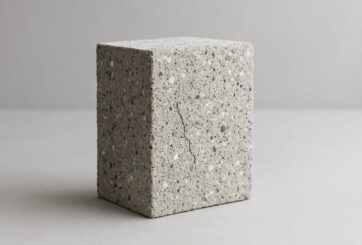
The idea seems futuristic: At ETH Zurich, various disciplines are working together to combine conventional materials with bacteria, algae and fungi. The common goal: to create living materials that acquire useful properties thanks to the metabolism of microorganisms – “such as the ability to bind CO2 from the air by means of photosynthesis,” says Mark Tibbitt, Professor of Macromolecular Engineering at ETH Zurich. An interdisciplinary research team led by Tibbitt has now turned this vision into reality: it has stably…
About 100 cells divide every second in our body. A key protein in cell division is a protein kinase termed Plk1, because it activates other proteins involved in this process. Plk1 is also overexpressed in many types of cancer. This makes it a promising target for cancer therapies. However, drugs that inhibit Plk1 have often proven ineffective. New findings by researchers led by Peter Lenart and Monica Gobran may help to improve therapeutic approaches. They discovered a previously unknown function…
 Feedback
