



Feeding 9 Billion: Innovations in Agricultural Modeling
How do they do it? One of the best-kept secrets in the natural world may be about to be revealed.
Bats, porpoises and dolphins have biological sonar technology that is vastly superior to anything that man has yet devised. They use sonar to distinguish resolution and identify objects and their material characteristics for objects that are, to all extents and purposes, bewilderingly similar.
Now, researchers in the University of Leicester Department of Geology are playing a major role in a consortium of UK universities led by the British Geological Survey, in a £3.4M project to develop sonar systems based on those in the animal kingdom.
Researchers recording echolocation calls from bats in free flight hope that such technologies will have far-reaching effects in medical and geological imaging, focussing on materials characterisation and non-destructive evaluation. This will particularly apply to the search for oil, gas and other natural resources in rock samples, and may have a role in the waste management industry. The research will also enable geologists to better understand porous qualities including fracture networks in rock formations.
The four-year research project has received £3.4M funding from the Engineering and Physical Sciences Research Council (EPSRC) to apply acoustic capabilities that occur in the natural world to engineering concepts, such as biomedicine and underwater sonar.
This is not the first time that scientists have looked to the animal kingdom’s superior sense of radar, but until now they have had little success.
It is hoped that this time, with adequate funding and the collaboration of experts in bio-acoustics, geological imaging, mathematical and signal processing theory, acoustical transducer design and the implementation of experimental ’proof of concept’ engineering systems will enable scientists to solve the mystery of high-resolution acoustic imaging and the physical characterisation of objects by sonar means.
Mike Lovell, Professor of Petrophysics at the University of Leicester commented:
“This major award from the EPSRC enables us to bring together a very experienced yet diverse range of scientists into one consortium.
“As part of this truly inter-disciplinary team I am excited at the prospect of working together to advance our understanding and ability to harness the acoustic capabilities of biological systems, and to apply these to a range of practical engineering disciplines.
“At Leicester we will initially focus on the application to geological imaging, but the nature of the proposed research has broad applications beyond both geological and medical imaging.”
In addition to the BGS, partner universities are Leeds, Strathclyde, Southampton, Edinburgh, and FORTKEY Ltd while (SME) collaborators/subcontractors include Alba Ultrasound and Blacknor Technologies Ltd.




Populations in the Southern Caucasus have maintained remarkably consistent genetic ancestry for over 5,000 years, even through periods of significant cultural transformation. Recent research conducted by an international team from Germany, Georgia, Armenia, and Norway indicates that, although there were some genetic inputs from the Eurasian Steppe and Anatolia throughout the Bronze Age, the fundamental local gene pool remained stable across millennia. A Landmark Archaeogenetic Study Researchers at the Max Planck-Harvard Research Centre for the Archaeoscience of the Ancient Mediterranean…
The linguistic abilities of contemporary artificial intelligence systems are remarkable. We can now participate in genuine dialogues with systems such as ChatGPT, Gemini, and others, exhibiting a fluency nearly akin to that of a human. Nevertheless, our understanding of the fundamental mechanisms within these networks that yield such extraordinary outcomes remains limited. A recent study published in the Journal of Statistical Mechanics: Theory and Experiment (JSTAT) elucidates a component of this enigma. It indicates that when less data is utilised…
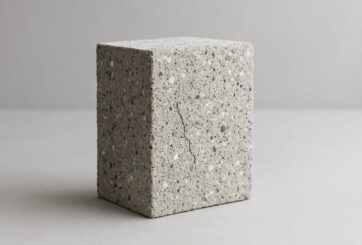
The idea seems futuristic: At ETH Zurich, various disciplines are working together to combine conventional materials with bacteria, algae and fungi. The common goal: to create living materials that acquire useful properties thanks to the metabolism of microorganisms – “such as the ability to bind CO2 from the air by means of photosynthesis,” says Mark Tibbitt, Professor of Macromolecular Engineering at ETH Zurich. An interdisciplinary research team led by Tibbitt has now turned this vision into reality: it has stably…
About 100 cells divide every second in our body. A key protein in cell division is a protein kinase termed Plk1, because it activates other proteins involved in this process. Plk1 is also overexpressed in many types of cancer. This makes it a promising target for cancer therapies. However, drugs that inhibit Plk1 have often proven ineffective. New findings by researchers led by Peter Lenart and Monica Gobran may help to improve therapeutic approaches. They discovered a previously unknown function…
 Feedback
