



Feeding 9 Billion: Innovations in Agricultural Modeling
Copying the ideas of others is usually frowned upon, but when it comes to the work of Mother Nature, scientists are finding they can use nature as a template.
An interdisciplinary group of scientists and engineers at the Georgia Institute of Technology recently formed the Center for Biologically Inspired Design (CBID) with the goal of capitalizing on the rich source of design solutions present in biological processes. The researchers believe nature can inspire design and engineering solutions that are efficient, practical and sustainable and thus have the potential to greatly enhance new technologies, materials and processes.
“Biology can be a powerful guide to understanding problems in design and engineering,” said Associate Professor of Biology Marc Weissburg, CBID co-director. “In comparative physiology, we teach that every animal has to solve a particular problem to survive, so every animal is a design solution for a particular problem.
“They can provide solutions for more efficient manufacturing and design of materials with new capabilities, for example. These are things the biological world has solved, and if you study them, you have the opportunity to apply that knowledge in the human sector. You can also extend that reasoning to ecological processes. These are guiding principles behind the Georgia Tech Center for Biologically Inspired Design.” CBID’s mission is to promote world-class interdisciplinary research and education at Georgia Tech in biologically inspired design. CBID researchers also want to communicate to government and industry officials that nature can provide unique design solutions to the problems they must address. CBID director and Professor of Biology Jeannette Yen is beginning this process with an invited talk on the center’s mission and activities on Oct. 29 at the Bioneers Southeast Forum on the Atlanta campus of the Savannah College of Art & Design. This conference is one of 20 similar “town hall” meetings held annually in North America.
Bioneers is a network of citizens, scientists and entrepreneurs that explores practical solutions adapted from natural systems and native cultures and then applies these solutions to fundamental environmental, economic and social challenges. Its long-term goal is to engage leaders in various fields in a conversation and learning process to help them understand the root causes of the region’s economic, social and environmental problems, according to its Website (http://www.inspiringfutures.org/bioneers/workshopdescriptions). Then leaders can make decisions based on the long-term impacts on the broader community and the natural environment.
“This is a key invitation for us,” Yen said. “It’s a great opportunity to get connected locally with leaders in the region.” Yen will present the mission and activities of CBID, which formed this past summer with a three-year internal seed grant. The idea for the center began with discussions between Yen and Weissburg. Weissburg’s interest grew out of his research for the Office of Naval Research on understanding olfactory guidance in crabs. The Navy was interested in this process because it wanted to build autonomous devices with a similar capability, he explained.
Then, earlier this year, Yen, Weissburg and Professor of Industrial and Systems Engineering Craig Tovey studied with Bioneer and biomimicry expert Janine Benyus for 10 days in Costa Rica.
“We wanted to see how nature does things like gathering and transporting energy, and then see if we can translate those processes for human applications,” Yen said. “Georgia Tech is a great place to do this kind of research. It provides engineers who want to apply their expertise with biologists a new way to design solutions to problems.”
After this experience, the idea for the center developed further with the help of a biological metaphor – that of an “invasive” species, with the Center as the new species and Georgia Tech as the established community that is productive and successful. “Invasive species can have a negative connotation, but we’re not talking about disrupting the community,” Weissburg explained. “We’re talking about augmenting it and adding to its functionality and activity. We used the analogy of a new species trying to fit into a community as a way to think about what our center could do to increase the productivity of the Tech ’ecosystem.’”
As CBID encourages interaction among its initial 17 members, Yen expects an increase in biomimetic research – that is, research in biologically inspired design. Already, however, biomimetic research projects are under way in biosensing, materials design, locomotory devices, systems organization and “green” technology.
Examples include:
Yen noted that biomimetry even offers inspiration for the way students — and faculty – learn. “Like animals, we can learn by playing,” Yen explained. “We’re looking to nature as our template.”




Populations in the Southern Caucasus have maintained remarkably consistent genetic ancestry for over 5,000 years, even through periods of significant cultural transformation. Recent research conducted by an international team from Germany, Georgia, Armenia, and Norway indicates that, although there were some genetic inputs from the Eurasian Steppe and Anatolia throughout the Bronze Age, the fundamental local gene pool remained stable across millennia. A Landmark Archaeogenetic Study Researchers at the Max Planck-Harvard Research Centre for the Archaeoscience of the Ancient Mediterranean…
The linguistic abilities of contemporary artificial intelligence systems are remarkable. We can now participate in genuine dialogues with systems such as ChatGPT, Gemini, and others, exhibiting a fluency nearly akin to that of a human. Nevertheless, our understanding of the fundamental mechanisms within these networks that yield such extraordinary outcomes remains limited. A recent study published in the Journal of Statistical Mechanics: Theory and Experiment (JSTAT) elucidates a component of this enigma. It indicates that when less data is utilised…
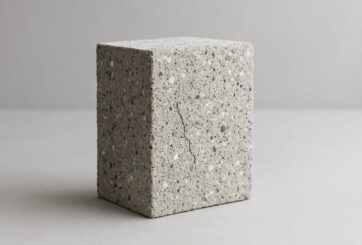
The idea seems futuristic: At ETH Zurich, various disciplines are working together to combine conventional materials with bacteria, algae and fungi. The common goal: to create living materials that acquire useful properties thanks to the metabolism of microorganisms – “such as the ability to bind CO2 from the air by means of photosynthesis,” says Mark Tibbitt, Professor of Macromolecular Engineering at ETH Zurich. An interdisciplinary research team led by Tibbitt has now turned this vision into reality: it has stably…
About 100 cells divide every second in our body. A key protein in cell division is a protein kinase termed Plk1, because it activates other proteins involved in this process. Plk1 is also overexpressed in many types of cancer. This makes it a promising target for cancer therapies. However, drugs that inhibit Plk1 have often proven ineffective. New findings by researchers led by Peter Lenart and Monica Gobran may help to improve therapeutic approaches. They discovered a previously unknown function…
 Feedback
