



Feeding 9 Billion: Innovations in Agricultural Modeling
The University of Manchester has been awarded £1.7m to build a new instrument which will for the first time combine ToF-SIMS and infrared spectroscopy opening up new possibilities in the study biological, organic and inorganic materials.
The capabilities of the instrument, which is expected to be built within two years, will be tested on materials such as prostate cancer tissue and environmental particulate pollutants.
The new instrument will enable surface and bulk analysis to be carried out simultaneously by combining SIMS surface analysis with infrared spectroscopy.
The project, which will span a four year period, is funded by the Engineering and Physical Sciences Research Council (EPSRC) and will be carried out in collaboration with the University of Surrey and Penn State University, USA.
The Principal Investigator, Professor John Vickerman, Director of the Surface Analysis Research Centre, said: “This project is an exciting example of how high-level fundamental research will be exploited for the construction a novel instrument that can then be used for vital medical or environmental research. By combining this capability with infra-red spectroscopy we will be able to get a much fuller picture of the chemistry of the molecules and materials we are studying.”
ToF-SIMS and infra-red spectroscopy have already been used to probe prostate cancer tissue in a separate project within the University’s School of Chemical Engineering and Analytical Sciences. Co-investigators Dr Peter Gardner and Dr Nick Lockyer, in collaboration with scientists and clinicians at the CRUK Paterson Institute, have been applying IR spectroscopy and ToF-SIMS in the field of prostate cancer research for several years.
Peter Gardner, said: “IR spectroscopy has proved a highly successful tool for diagnosing and monitoring a range of diseases, including prostate cancer”. Nick Lockyer added; “The application of ToF-SIMS in cancer studies is extremely novel and this unique machine will allow us the new insights at the molecular level”
Environmental studies will also exploit the unique capabilities of the new instrument and will focus on investigating the surface chemistry of various types of particles found in the atmosphere, with specific interest in the uptake and transformation of small atmospheric molecules on solid particles. These fundamental processes undoubtedly affect the role of such particles in global climate change.
Co-investigator Dr Andrew Horn, said: “This is a considerable step forward in advanced, chemically resolved instrumentation. Over the past 10 years, we have demonstrated the complementarity of SIMS and IR spectroscopy through applications in a number of areas. The instrumentation and methods developed in this project will have significantly wider applications in physical and materials science in the longer term as well. This project is an excellent example of collaborative, multidisciplinary work between research groups within the University of Manchester.”
Professor Vickerman, added: “If we can produce a machine which can simultaneously analyse the same sample of materials using SIMS and infrared spectroscopy it will be a world first for Manchester.”




Populations in the Southern Caucasus have maintained remarkably consistent genetic ancestry for over 5,000 years, even through periods of significant cultural transformation. Recent research conducted by an international team from Germany, Georgia, Armenia, and Norway indicates that, although there were some genetic inputs from the Eurasian Steppe and Anatolia throughout the Bronze Age, the fundamental local gene pool remained stable across millennia. A Landmark Archaeogenetic Study Researchers at the Max Planck-Harvard Research Centre for the Archaeoscience of the Ancient Mediterranean…
The linguistic abilities of contemporary artificial intelligence systems are remarkable. We can now participate in genuine dialogues with systems such as ChatGPT, Gemini, and others, exhibiting a fluency nearly akin to that of a human. Nevertheless, our understanding of the fundamental mechanisms within these networks that yield such extraordinary outcomes remains limited. A recent study published in the Journal of Statistical Mechanics: Theory and Experiment (JSTAT) elucidates a component of this enigma. It indicates that when less data is utilised…
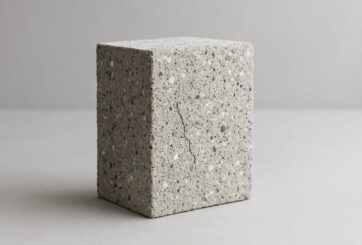
The idea seems futuristic: At ETH Zurich, various disciplines are working together to combine conventional materials with bacteria, algae and fungi. The common goal: to create living materials that acquire useful properties thanks to the metabolism of microorganisms – “such as the ability to bind CO2 from the air by means of photosynthesis,” says Mark Tibbitt, Professor of Macromolecular Engineering at ETH Zurich. An interdisciplinary research team led by Tibbitt has now turned this vision into reality: it has stably…
About 100 cells divide every second in our body. A key protein in cell division is a protein kinase termed Plk1, because it activates other proteins involved in this process. Plk1 is also overexpressed in many types of cancer. This makes it a promising target for cancer therapies. However, drugs that inhibit Plk1 have often proven ineffective. New findings by researchers led by Peter Lenart and Monica Gobran may help to improve therapeutic approaches. They discovered a previously unknown function…
 Feedback
