



Feeding 9 Billion: Innovations in Agricultural Modeling
Madzuu is a village in Kenya’s western highlands and Lake Victoria basin where the rainfall is abundant, and there is some access to urban markets. And yet about 61 percent of the village population earned less than 50 cents a day in real terms in both 1989 and 2002. Many people there are trapped in chronic poverty from which escape is difficult.
Alice Pell, professor of animal science at Cornell University, Ithaca, N.Y., is the principal investigator on a five-year, multidisciplinary research effort to study how small changes in natural resources could have profound effects on people’s lives. In Madzuu’s case, restoring the land’s natural productivity could alter the economic situation of the farmers.
Pell reported on the research team’s first year of work today (Feb. 14) at the annual meeting of the American Association for the Advancement of Science in Seattle. Her talk, “The Interplay Between Small Farms and Fragile Tropical Ecosystems in Kenya,” was part of the “Frontiers in Biocomplexity Science” portion of the “Connections in the Real World” symposium.
In addition to working in the Lake Victoria basin, the researchers are studying a second village, Embu, on the shoulder of Mount Kenya. Both villages have high agricultural potential despite dense populations and small farm size.
Yet there is a big difference between the two villages. In Madzuu, soil degradation is extensive, and more than half the farmers earn less than $205 per capita annually, the Kenyan poverty line. The reason? Madzuu farmers use few soil inputs, such as fertilizers, resulting in loss of rich soil, accelerating the downward, economic spiral, said Pell. “Limited movement out of poverty between 1989 and 2002 in Madzuu suggests the existence of poverty traps,” she said. The soils in Madzuu farmland contain just 16.3 grams per kilogram of soil organic carbon and only 1.6 grams per kilogram of nitrogen. By comparison, preliminary research shows that Embu’s farmers commonly use more fertilizers and other inputs to maintain soil quality. Consequently, Embu cropland contains roughly twice as much soil organic carbon (35.6 grams per kilogram) and nitrogen (3.4 grams per kilogram).
The research team also includes Susan Riha, Cornell’s C. L. Pack Research Professor of Forest Soils; Johannes Lehmann, Cornell assistant professor of crop and soils science; and Christopher Barrett, Cornell assistant professor of applied economics and management. Working with the team are scientists from the Kenyan Agricultural Research Institute and the World Agroforestry Centre in Nairobi. The project is funded by the Coupled Natural and Human Systems program of the National Science Foundation’s Biocomplexity initiative.




Populations in the Southern Caucasus have maintained remarkably consistent genetic ancestry for over 5,000 years, even through periods of significant cultural transformation. Recent research conducted by an international team from Germany, Georgia, Armenia, and Norway indicates that, although there were some genetic inputs from the Eurasian Steppe and Anatolia throughout the Bronze Age, the fundamental local gene pool remained stable across millennia. A Landmark Archaeogenetic Study Researchers at the Max Planck-Harvard Research Centre for the Archaeoscience of the Ancient Mediterranean…
The linguistic abilities of contemporary artificial intelligence systems are remarkable. We can now participate in genuine dialogues with systems such as ChatGPT, Gemini, and others, exhibiting a fluency nearly akin to that of a human. Nevertheless, our understanding of the fundamental mechanisms within these networks that yield such extraordinary outcomes remains limited. A recent study published in the Journal of Statistical Mechanics: Theory and Experiment (JSTAT) elucidates a component of this enigma. It indicates that when less data is utilised…
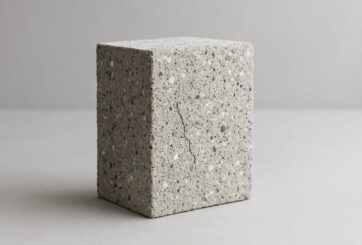
The idea seems futuristic: At ETH Zurich, various disciplines are working together to combine conventional materials with bacteria, algae and fungi. The common goal: to create living materials that acquire useful properties thanks to the metabolism of microorganisms – “such as the ability to bind CO2 from the air by means of photosynthesis,” says Mark Tibbitt, Professor of Macromolecular Engineering at ETH Zurich. An interdisciplinary research team led by Tibbitt has now turned this vision into reality: it has stably…
About 100 cells divide every second in our body. A key protein in cell division is a protein kinase termed Plk1, because it activates other proteins involved in this process. Plk1 is also overexpressed in many types of cancer. This makes it a promising target for cancer therapies. However, drugs that inhibit Plk1 have often proven ineffective. New findings by researchers led by Peter Lenart and Monica Gobran may help to improve therapeutic approaches. They discovered a previously unknown function…
 Feedback
