



Feeding 9 Billion: Innovations in Agricultural Modeling
A new generation of nanoscale devices are being developed based on inspiration found in nature. Grazyna Sroga, a postdoctoral researcher at Rensselaer Polytechnic Institute, is using DNA and related proteins to construct microscopic structures that may one day conduct electricity, deliver drugs, boost computer memory, or sense the presence or absence of chemicals. She is working in the laboratory of Jonathan S. Dordick, the Howard P. Isermann ’42 professor of chemical engineering.
Sroga is presenting her research at the 225th national meeting of the American Chemical Society, held March 23-27 in New Orleans, La.
Taking Advantage of Years of Evolution
Dordick and Sroga use a combination of hybrid proteins to manipulate normally linear DNA strands into unusual shapes, including three-dimensional cubes. These new shapes can then be encouraged to self-assemble based on molecular interactions. The ability of these bio-inspired nanostructures to spontaneously assemble saves researchers’ time and effort, representing an advantage over other approaches to nanoproduction that do not utilize biologic materials.
This research (funded by the Biotech Research and Development Corporation and the National Science Foundation, through Rensselaer’s Nanoscale Science and Engineering Center) is still in its infancy. Constructing new devices based on biological models, however, may mean that potential pitfalls have already been worked out over years of natural evolution. When it comes to design, “it is likely that nature does it better,” says Sroga. Tools constructed of hybrid biomaterials, for example, may be hypoallergenic, making medical application of such devices less likely to lead to rejection by the body’s systems.
About Nanotechnology at Rensselaer
In September 2001, the National Science Foundation (NSF) selected Rensselaer Polytechnic Institute as one of six sites nationwide for a new Nanoscale Science and Engineering Center (NSEC). Center researchers are part of a high-priority national effort to work at the atomic and molecular level to alter the most basic structure of materials. The mission of the center is to integrate research, education, and technology dissemination, and serve as a national resource for fundamental knowledge and applications in the directed assembly of nanostructures. The center’s goals include discovering novel pathways to assemble functional multiscale nanostructures, exciting and educating students of all ages in nanoscale science and engineering, and working hand-in-hand with industry to develop nanotechnology for the benefit of society.
About Rensselaer
Rensselaer Polytechnic Institute, founded in 1824, is the nation’s oldest technological university. The school offers degrees in engineering, the sciences, information technology, architecture, management, and the humanities and social sciences. Institute programs serve undergraduates, graduate students, and working professionals around the world. Rensselaer faculty members are known for pre-eminence in research conducted in a wide range of research centers that are characterized by strong industry partnerships. The Institute is especially well known for its success in the transfer of technology from the laboratory to the marketplace so that new discoveries and inventions benefit human life, protect the environment, and strengthen economic development.
CONTACT: Jonathan Dordick 518-276-2899; dordick@rpi.edu
Grazyna Sroga 518-276-2811; srogag@rpi.edu
CONTACT (During the ACS Meeting): The ACS press room 504-586-4650 (Morial Convention Center, room 280)




Populations in the Southern Caucasus have maintained remarkably consistent genetic ancestry for over 5,000 years, even through periods of significant cultural transformation. Recent research conducted by an international team from Germany, Georgia, Armenia, and Norway indicates that, although there were some genetic inputs from the Eurasian Steppe and Anatolia throughout the Bronze Age, the fundamental local gene pool remained stable across millennia. A Landmark Archaeogenetic Study Researchers at the Max Planck-Harvard Research Centre for the Archaeoscience of the Ancient Mediterranean…
The linguistic abilities of contemporary artificial intelligence systems are remarkable. We can now participate in genuine dialogues with systems such as ChatGPT, Gemini, and others, exhibiting a fluency nearly akin to that of a human. Nevertheless, our understanding of the fundamental mechanisms within these networks that yield such extraordinary outcomes remains limited. A recent study published in the Journal of Statistical Mechanics: Theory and Experiment (JSTAT) elucidates a component of this enigma. It indicates that when less data is utilised…
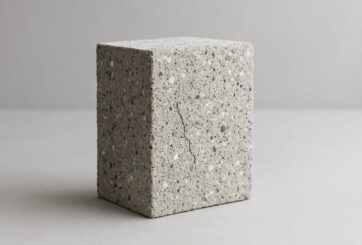
The idea seems futuristic: At ETH Zurich, various disciplines are working together to combine conventional materials with bacteria, algae and fungi. The common goal: to create living materials that acquire useful properties thanks to the metabolism of microorganisms – “such as the ability to bind CO2 from the air by means of photosynthesis,” says Mark Tibbitt, Professor of Macromolecular Engineering at ETH Zurich. An interdisciplinary research team led by Tibbitt has now turned this vision into reality: it has stably…
About 100 cells divide every second in our body. A key protein in cell division is a protein kinase termed Plk1, because it activates other proteins involved in this process. Plk1 is also overexpressed in many types of cancer. This makes it a promising target for cancer therapies. However, drugs that inhibit Plk1 have often proven ineffective. New findings by researchers led by Peter Lenart and Monica Gobran may help to improve therapeutic approaches. They discovered a previously unknown function…
 Feedback
