



Feeding 9 Billion: Innovations in Agricultural Modeling
Key participants in the Groningen initiative are the biochemist Prof. Bert Poolman (director of the new centre), molecular biologist Prof. Roel Bovenberg (also research leader at DSM in Delft), microbiologist Prof. Lubbert Dijkhuizen (director of the Groningen Biomolecular Sciences and Biotechnology Institute), organic chemist Prof. Ben Feringa (Jacobus van ’t Hoff Professor of Molecular Sciences), physicist Prof. Jasper Knoester (director of the Zernike Institute for Advanced Materials) and molecular microbiologist Prof. Arnold Driessen. The key research areas of the CSB are as follows:
– cell factories for producing pharmaceuticals (including antibiotics) and important biological proteins
– systems for controlled drug delivery and new diagnostics
– materials (e.g. biosensors and biochips) based on biological components.
BioBricks
Until recently, biologists, chemists and biochemists were involved in studying complex biological systems. Synthetic biology takes things a step further: cells and cell components are built to a design produced by humans in order to produce specific products or devices. The starting point is not a cell (or cell component) that has evolved, but a synthetic cell (cell component) specifically designed to perform a non-natural function. Among other things, synthesized DNA is used, and natural as well as non-natural building blocks. As in architecture and electrical engineering, cell components (‘BioBricks’) and the production process will be standardized. In the future it may well be possible to build a complete synthetic cell.
Potential
Synthetic biology is seen as the ‘third technological revolution’, following on from the chip, the foundation of modern electronics, and biotechnology made possible with the discovery of the structure of DNA. Synthetic biology combines these two earlier developments, thus opening up new and promising possibilities. The University of Groningen therefore believes that it is of great strategic importance to invest in fundamental research that will advance this groundbreaking technology.
Support
The new centre, with four new Synthetic Biology sections, is not alone in this task, but will be supported by the Zernike Institute for Advanced Materials, the Stratingh Institute for Chemistry, and the Groningen Biomolecular Sciences and Biotechnology Institute (GBB). In the years to come, the CSB will launch an intensive recruitment campaign to attract top researchers and further steps will be taken to establish cooperative partnerships with knowledge centres and businesses in the Netherlands and abroad.




Populations in the Southern Caucasus have maintained remarkably consistent genetic ancestry for over 5,000 years, even through periods of significant cultural transformation. Recent research conducted by an international team from Germany, Georgia, Armenia, and Norway indicates that, although there were some genetic inputs from the Eurasian Steppe and Anatolia throughout the Bronze Age, the fundamental local gene pool remained stable across millennia. A Landmark Archaeogenetic Study Researchers at the Max Planck-Harvard Research Centre for the Archaeoscience of the Ancient Mediterranean…
The linguistic abilities of contemporary artificial intelligence systems are remarkable. We can now participate in genuine dialogues with systems such as ChatGPT, Gemini, and others, exhibiting a fluency nearly akin to that of a human. Nevertheless, our understanding of the fundamental mechanisms within these networks that yield such extraordinary outcomes remains limited. A recent study published in the Journal of Statistical Mechanics: Theory and Experiment (JSTAT) elucidates a component of this enigma. It indicates that when less data is utilised…
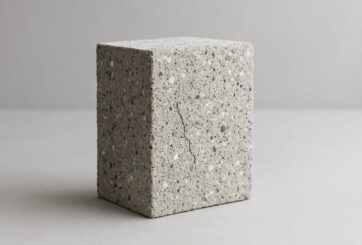
The idea seems futuristic: At ETH Zurich, various disciplines are working together to combine conventional materials with bacteria, algae and fungi. The common goal: to create living materials that acquire useful properties thanks to the metabolism of microorganisms – “such as the ability to bind CO2 from the air by means of photosynthesis,” says Mark Tibbitt, Professor of Macromolecular Engineering at ETH Zurich. An interdisciplinary research team led by Tibbitt has now turned this vision into reality: it has stably…
About 100 cells divide every second in our body. A key protein in cell division is a protein kinase termed Plk1, because it activates other proteins involved in this process. Plk1 is also overexpressed in many types of cancer. This makes it a promising target for cancer therapies. However, drugs that inhibit Plk1 have often proven ineffective. New findings by researchers led by Peter Lenart and Monica Gobran may help to improve therapeutic approaches. They discovered a previously unknown function…
 Feedback
